Top 10 Tips for Building a Tarot Art Altar That Supports Art Therapy and Intuition
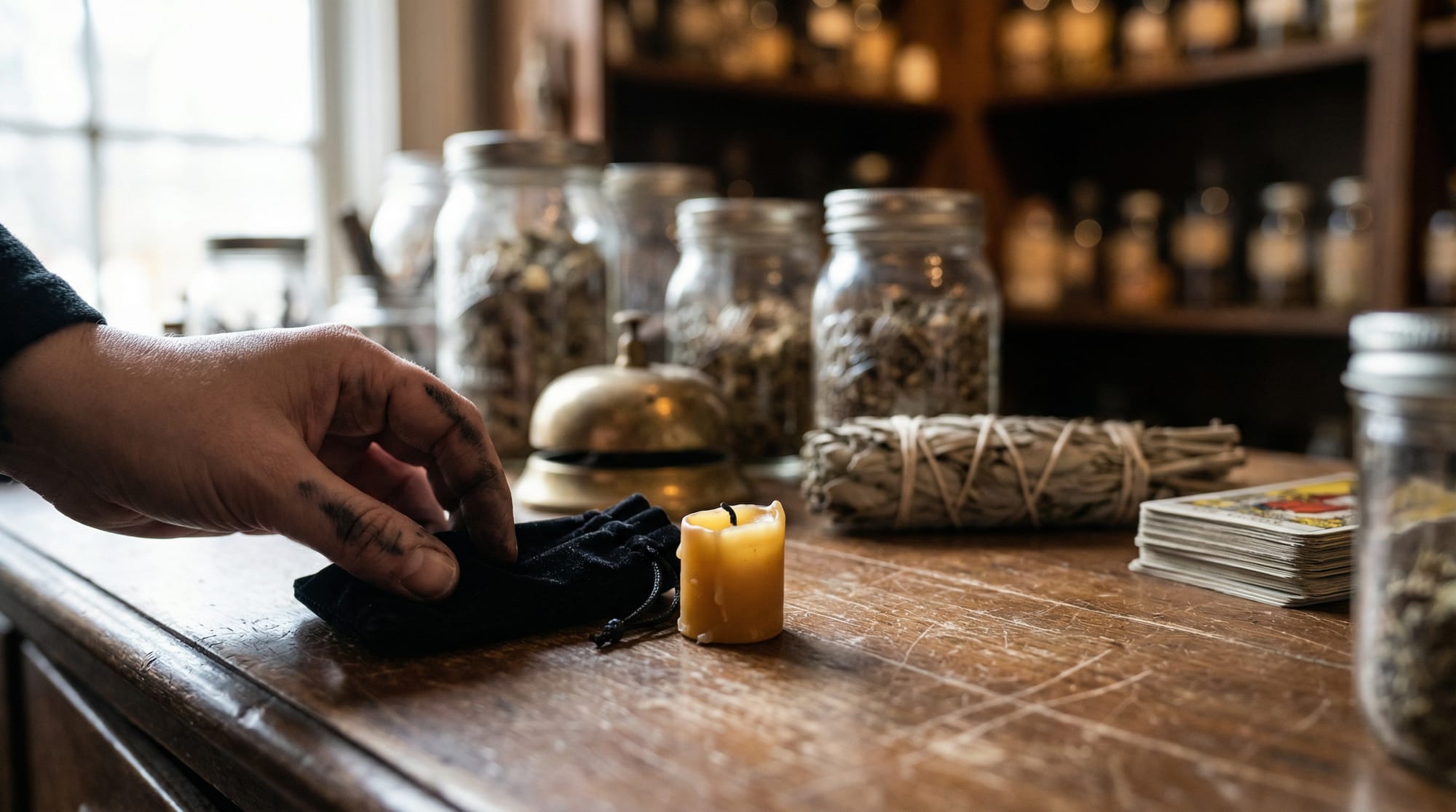
Building a Tarot art altar is more than arranging pretty objects. It is a personal, creative space where you can slow down, explore symbolism, and let your hands and senses support your inner work. For many readers and artists, an altar becomes a bridge between Tarot practice and art therapy, a place where intuition can speak through color, texture, image, and ritual.
This guide is written for the spirit of Kassi Gregory - Heart of Tigiris, a Tarot centered creative path connected to www.tigirisillustrations.com. Whether you read professionally, journal privately, or use Tarot as a gentle self care tool, these ten tips will help you build an altar that supports emotional regulation, imaginative expression, and clear intuitive listening.
As you read, remember one core principle. A supportive altar is not about perfection. It is about consent and care. Your space should feel safe in your body, friendly to your nervous system, and open to experimentation.
Tip 1, Choose a purpose and a feeling, not just a theme
Before selecting objects, decide what your Tarot art altar is for. Do you want it to help you decompress after work, process grief, spark creative flow, strengthen boundaries, or deepen intuitive reading? In art therapy terms, you are naming an intention for the container. In Tarot terms, you are choosing the kind of spread, question style, and energy you want to invite.
Try describing the desired experience with three words, such as “grounded, curious, protected” or “soft, expressive, honest.” Then let those words guide your choices. A “grounded” altar might include heavier textures, stone, earth colors, and practical tools. A “curious” altar might include collage scraps, bright inks, and open notebooks.
- Write your three words on a small card and place it under the central cloth.
- When you add an object, ask, “Does this support the feeling I am cultivating?”
- Revisit the purpose monthly, because your needs will change.
Tip 2, Select a stable surface and define boundaries for the nervous system
Art therapy is often about safety, structure, and choice. Your altar should offer all three. Start with a stable surface that you can return to consistently, a small table, a shelf, a desk corner, or even a portable tray. Consistency matters because your body learns, “This is where I exhale and listen.”
Define the physical boundary of the altar with a cloth, mat, wooden board, or a shallow box lid. The boundary is not only aesthetic. It helps your mind stop scanning the whole room and focus on a contained field. If you have limited space, a lidded container can become a “closed altar” that you open when you are ready to work.
- If you share a home, create a respectful boundary that reduces accidental touching.
- If you are easily overstimulated, keep the surface visually simple and uncluttered.
- If you want portability, use a tray with handles so you can move it to a quiet spot.
Tip 3, Choose a focal point, one anchor card or image that holds the story
A Tarot art altar benefits from a clear visual anchor. This could be a single Tarot card, an art print, a small painting, or a hand drawn sigil. In intuitive practice, a focal point gives your gaze a place to rest. In art therapy, a focal point can act like a “witness image,” something that reflects your current process and helps you track emotional shifts over time.
Pick one card for a week or a lunar cycle, and let it guide your altar choices. For example, The Star can inspire gentle blues, water imagery, and a theme of restoration. The High Priestess can suggest a quieter palette, a veil like cloth, and tools for journaling and dreams. If you are making your own Tarot art, use your own sketch or in progress piece as the focal point to remind yourself that the process is sacred too.
- Place the focal point at eye level when seated, so your neck and shoulders can relax.
- Take a photo of the altar weekly, this becomes a visual journal of your inner seasons.
- When the card no longer fits, thank it and rotate it out.
Tip 4, Build a sensory palette, texture, scent, sound, and light with care
Intuition often speaks through the body first. You might feel a tightening, a warmth, a softening, or a sudden urge to move. A good Tarot art altar supports this by offering sensory cues that keep you present. Think of your altar like a palette, not only of color, but of sensation.
Texture can be grounding, such as smooth stones, woven cloth, paper with tooth, or a carved wooden object. Light can be supportive, such as a small lamp, fairy lights, or a candle substitute if open flames are not safe. Scent can be regulating, but it should never be overpowering. Sound can be as simple as a gentle chime, a playlist, or a moment of silence that marks the shift into ritual.
- Choose one primary sensory element to avoid overload, such as texture only, or scent only.
- If you use scent, test it with a short session first, especially if you are sensitive.
- Keep a soft cloth nearby to cover the altar when you need a visual break.
Tip 5, Include art making tools that invite low pressure expression
An altar that supports art therapy should make creating feel accessible. You do not need a full studio. You need tools that encourage play and reduce performance pressure. This is important because intuition tends to get quieter when the inner critic gets louder.
Choose a small set of art materials that you enjoy touching and that feel forgiving. Examples include colored pencils, watercolor, markers, collage papers, glue stick, scissors, and a simple journal. Keep them in a bowl or box near the altar so the step from “pull a card” to “make something” is easy.
- Keep a “one page rule,” after a reading, make one small response image, even a few shapes.
- Use scrap paper for messy feelings, then decide later if you want to keep it.
- Try a three minute drawing after pulling a card, focusing on color and motion, not accuracy.
Tip 6, Create a clear opening and closing ritual to support emotional safety
Art therapy emphasizes containment. Tarot practice also benefits from clear beginnings and endings, so you are not carrying intense material into the rest of your day. A simple opening ritual tells your mind, “We are entering a different mode.” A closing ritual tells your mind, “This session is complete, I am safe to return to daily life.”
Your ritual can be very small. It might be washing your hands, lighting a candle, touching the focal card, or saying one sentence of intention. Closing might be placing the cards back in their bag, writing a final line in your journal, or taking three slow breaths while looking at the altar.
- Use the same actions each time to build a reliable nervous system cue.
- If a reading gets heavy, close early, you are allowed to stop.
- End with a grounding card pull, asking, “What supports me after this?”
Tip 7, Add symbols for the four elements to balance intuition and practical action
Many Tarot systems correspond naturally with elemental language. Earth, water, air, and fire can help you balance emotional processing with clarity and follow through. In an art therapy context, elements give you metaphors that make feelings easier to hold. In an intuitive context, elements help you interpret how an insight wants to move into the world.
Choose one symbol for each element, keeping it simple. Earth could be a stone, salt bowl, or a plant clipping. Water could be a small cup, shell, or a blue glass bead. Air could be a feather, incense substitute, or a small bell. Fire could be a candle, a red stone, or a tiny light.
- When stuck, ask, “Which element is missing in my altar and in my week?”
- Use elements to choose art materials, watercolors for water, graphite for earth, cut paper for air, bold paint for fire.
- If fire feels unsafe emotionally, represent it with color instead of flame.
Tip 8, Use prompts that connect Tarot imagery to therapeutic art directives
A Tarot art altar becomes powerful when it supports consistent, gentle practice. Prompts give you a way to start without overthinking. Combine Tarot questions with art therapy style directives, which are structured invitations to explore feelings through image making.
For example, after pulling a card, you might draw the “weather” in your body, then add one symbol from the card as a resource. Or you might collage two sides of the card, what feels supportive, and what feels challenging. The altar holds the card, the journal holds the process, and your art tools help feelings move instead of staying stuck.
- Prompt, “Draw the shape of this card’s message, then color it with your current mood.”
- Prompt, “Make a protective border for the card, what does your boundary look like?”
- Prompt, “Rewrite the card as a scene in your own life, then sketch one detail that stands out.”
Tip 9, Curate supportive objects, and remove anything that triggers comparison or pressure
Altars can accidentally become performance spaces, especially if you spend time on social media. If your altar starts to feel like something that must look a certain way, it may stop serving art therapy goals. A supportive Tarot art altar should reduce shame and increase permission. That means curating what you include and being willing to remove items that activate pressure, grief you are not ready to touch, or a sense of “not enough.”
Choose objects that feel like allies. A comforting stone from a meaningful place, a small figure that represents protection, a handwritten affirmation, or a piece of your own art that reminds you you are growing. If you include crystals or spiritual tools, let them be simple supports, not requirements. Your relationship with the objects matters more than the objects themselves.
- Do a monthly check in, “What on this altar helps me breathe, and what makes me tense?”
- Keep one empty spot as a symbol of openness and possibility.
- If you share your altar online, decide first if sharing supports you, or if it is draining.
Tip 10, Track your intuition over time with a visual altar journal
Intuition strengthens with feedback and reflection. Art therapy also benefits from witnessing progress, patterns, and repeated symbols. Create an “altar journal” practice that links what happens on the altar with what happens in your inner life. This can be a notebook, a binder, or a digital folder of photos and notes. The key is consistency, not volume.
After a session, record the card pulled, a few words about how your body felt, and one small art response. Over weeks, you will start to notice motifs, colors, recurring archetypes, and the difference between anxious thoughts and intuitive clarity. You may discover that your intuition is strongest at certain times of day, or that specific materials help you access honesty more gently.
- Use a simple template, “Card, feeling, image, action step.”
- Review your notes monthly and choose one theme to explore more deeply.
- When you feel disconnected, reread an older entry to remember that your inner voice returns.
Putting it all together, a sample Tarot art altar layout
If you want a starting blueprint, try this simple arrangement. Place a cloth as the boundary. Set your focal card at the center or slightly back. Put one elemental object on each side. Keep a small bowl for “in session” objects, such as a stone to hold while you shuffle. Place your journal and two or three art tools within easy reach. Leave one open space for the unknown.
The goal is not to create the “right” altar. The goal is to create a space that says, “I can feel what I feel, I can make something with it, and I can listen for the next true step.” When your Tarot art altar supports both art therapy and intuition, it becomes a gentle studio for the soul, steady, creative, and yours.
Optional closing affirmation
“I honor the images that rise within me. I allow intuition to be quiet or loud. I create with compassion, and I return to myself with care.”