Top 14 Major Arcana Life Lessons, How to Apply Each Card in Real Decisions
Top 14 Major Arcana Life Lessons, How to Apply Each Card in Real Decisions
On Kassi Gregory, Heart of Tigiris at www.tigirisillustrations.com, tarot is less about predicting and more about noticing. The Major Arcana are a set of archetypes that describe how humans grow, choose, fail, repair, and try again. When you treat the cards as a mirror, you can turn a vague feeling into a specific decision, with clearer priorities and better boundaries.
This article is a practical, decision focused list. For each of these 14 Major Arcana cards, you will get a life lesson, the kind of decision it helps with, and step by step ways to apply it. Use this approach when you feel stuck between options, when you are overthinking, or when you are tempted to move too quickly without checking what you actually need.
How to use this list for an actual choice
- Pick one decision. Keep it concrete, for example, “Do I accept this job offer” not “What should I do with my life.”
- Pull one Major Arcana card or choose the section that matches your current mood.
- Answer the questions under that card. Write the answers, do not only think them.
- Decide one next action. Tarot becomes useful when it turns insight into movement.
Important note Tarot is a reflective tool. For legal, medical, or financial decisions, combine reflection with qualified professional advice.
1) The Fool, Begin before you feel ready
The Fool is the life lesson of new starts. It is not foolishness as in careless, it is innocence as in willing to learn. The Fool reminds you that you cannot plan your way into a new identity. You become the person who can do the thing by taking the first steps, making small mistakes, and staying curious.
Best for decisions about: moving, starting a new project, saying yes to an invitation, leaving a comfort zone, taking a creative risk.
- Apply it with a safe leap: Choose the smallest action that still counts as starting. Send the email, enroll in the class, publish the draft, book the first session.
- Check the cliff edge: What is the worst likely outcome, not the worst imaginable. What would you do if it happened.
- Pack light: What are you carrying from past situations that does not belong in this new one, resentment, old rules, other people’s expectations.
Questions to ask:
- What would I do if I trusted I can learn as I go.
- Which fear is protecting me, and which fear is just noise.
- What is one step that is reversible.
Pitfall to avoid: pretending you are carefree when you are actually ignoring a real constraint. The Fool is brave, but not blind. Make the leap, then look where you will land.
2) The Magician, Use what you already have
The Magician teaches focused will and resourcefulness. The life lesson is that you have tools right now, skills, relationships, time blocks, and attention. The Magician is also about aligning words and actions. If you say you want something, your calendar should show it.
Best for decisions about: career moves, launching a business, negotiating, learning a skill, choosing between two strategies.
- Inventory your tools: List what you have in four categories, time, money, skills, support. Many decisions become obvious when you see the true constraints.
- Pick a primary lever: Choose the one thing that will move the situation most, outreach, portfolio, training, asking for help, reducing scope.
- Turn intention into a script: Write the exact sentence you will say or the exact message you will send. The Magician is communication plus action.
Questions to ask:
- What am I underestimating about my own competence.
- Where am I waiting for permission I do not need.
- What would it look like to commit for 30 days.
Pitfall to avoid: manipulation, including self manipulation. If you are trying to force an outcome while hiding information or avoiding a hard conversation, the Magician becomes a warning. Choose transparency.
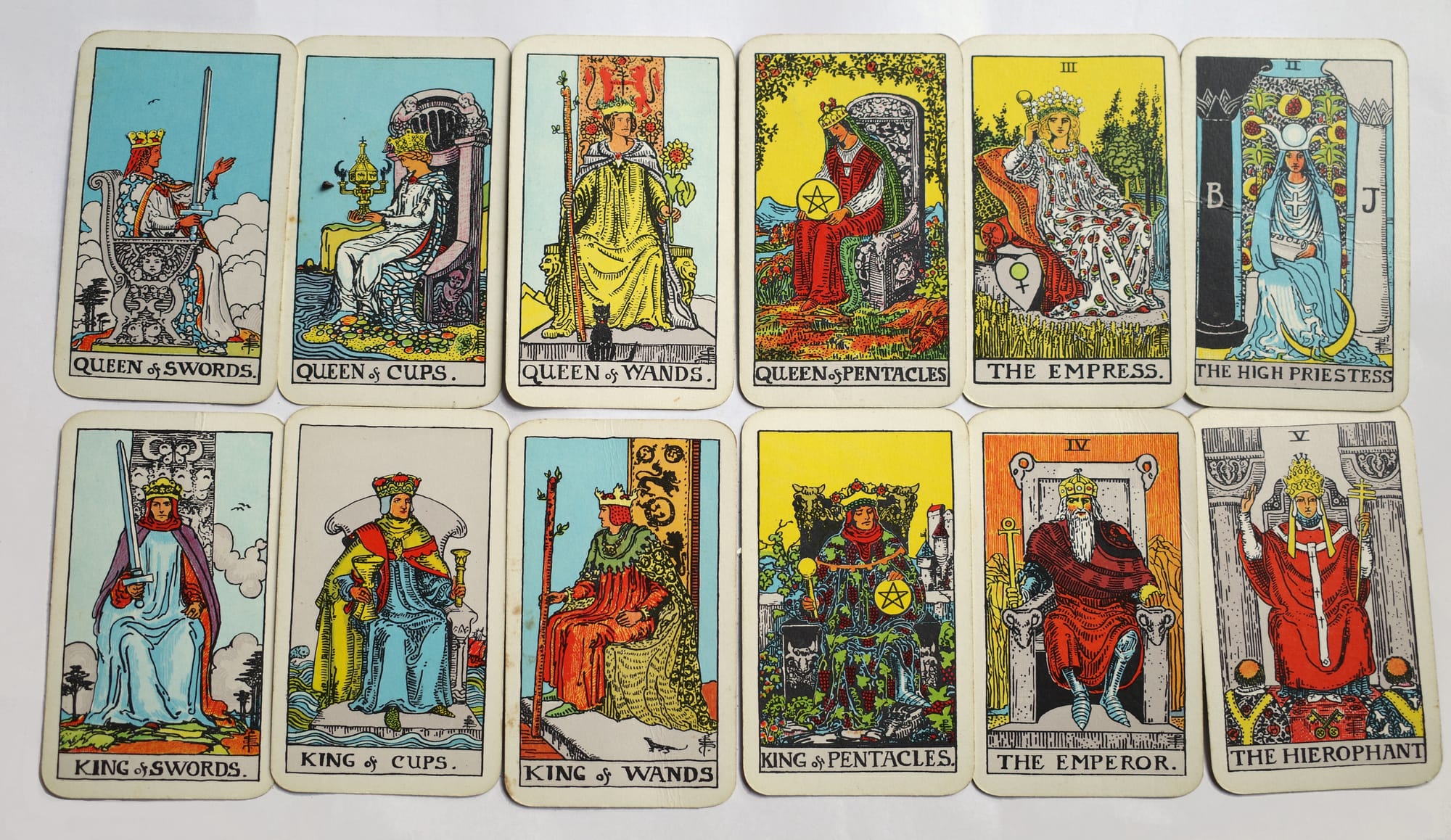
3) The High Priestess, Listen before you act
The High Priestess teaches inner knowing, patience, and the power of silence. The life lesson is that not everything is meant to be decided immediately. Some choices require you to sit with uncertainty long enough for your intuition to speak clearly. She also reminds you that intuition is not anxiety. Intuition is calm, steady, and simple.
Best for decisions about: relationships, creative direction, whether to share information, whether to trust a person, choosing timing.
- Create signal: Reduce noise for 24 hours. Less scrolling, less debating. Write down what you know, what you assume, and what you do not know.
- Ask for one missing fact: The High Priestess is not anti logic. If one piece of information would clarify everything, go get it.
- Practice the pause: Delay the decision by a set window, for example, “I will decide on Friday.” Then observe how your body reacts during that time.
Questions to ask:
- If nobody judged me, what would I choose.
- What am I not ready to admit to myself.
- Does this feel quiet and true, or loud and urgent.
Pitfall to avoid: mistaking secrecy for wisdom. Sometimes the High Priestess is telling you to keep something private for now. Other times she is telling you to stop withholding and speak plainly. Use discernment.
4) The Empress, Choose what nurtures growth
The Empress is the lesson of abundance, care, and creativity. She asks you to decide based on what will flourish over time. This card values rest, pleasure, beauty, and the natural pace of growth. It also highlights your relationship with receiving, not only giving.
Best for decisions about: home, family dynamics, creative work, health routines, money as it relates to comfort and sustainability.
- Define nourishment: For this decision, what does “nourished” mean in measurable terms, sleep, time outside, stable income, supportive relationships.
- Choose the fertile option: Pick the path that supports consistent growth even if it is less dramatic.
- Let it be pleasurable: Add one element of enjoyment to the plan, a workspace upgrade, a weekly meal, a ritual that makes the process livable.
Questions to ask:
- Which option makes my life easier in three months.
- Where have I been surviving instead of living.
- What would I choose if I believed I deserved comfort.
Pitfall to avoid: overgiving. Empress energy can become depletion if you become the caretaker of everyone else’s emotions. Choose mutual nourishment, not martyrdom.
5) The Emperor, Build structure that protects you
The Emperor is the lesson of boundaries, leadership, and systems. He asks you to create order so your life can hold what you are trying to build. Real decisions often fail because there is no structure to support them, unclear roles, no budget, no schedule, no rules.
Best for decisions about: leadership roles, contracts, long term planning, protecting time, creating routines, setting boundaries with family or work.
- Write the rules: For the situation, define what is acceptable and what is not. Put it in writing if possible.
- Choose the policy, not the mood: Decide based on principles, not on how persuasive or needy someone feels in the moment.
- Build a simple system: A weekly review, a budget category, a project plan, a standard response, a checklist.
Questions to ask:
- What boundary would make this decision easier.
- What am I responsible for, and what am I not responsible for.
- Where do I need to be firm to be kind.
Pitfall to avoid: control as a substitute for trust. The Emperor is strong when he protects, not when he dominates. If your plan requires everyone to behave perfectly, it is not a plan, it is a fantasy.
6) The Hierophant, Learn the tradition, then choose your relationship to it
The Hierophant teaches values, mentorship, community, and shared language. The life lesson is that wisdom is often transmitted through structures, teachers, and lineages. Sometimes you need a proven method. Sometimes you need to question it. This card asks you to be intentional about both.
Best for decisions about: education, marriage, joining an organization, spiritual practice, choosing a mentor, navigating cultural or family expectations.
- Identify the code: What rules are operating here, spoken or unspoken. Name them.
- Seek counsel: Ask a person who has walked this path. Request specifics, not inspiration.
- Decide what you will honor: Choose which traditions support you, and which you will rewrite.
Questions to ask:
- What belief am I inheriting, and do I still agree with it.
- Who benefits if I follow the script, and who benefits if I do not.
- What commitment am I truly willing to make.
Pitfall to avoid: outsourcing your inner authority. Respect teachers, but do not abandon your discernment. If a system requires you to ignore your ethics, it is not wisdom for you.
7) The Lovers, Choose alignment, not just attraction
The Lovers are about values based choice. Yes, it can indicate romance, but the deeper lesson is integration, choosing what matches who you want to be. This card often appears when you are tempted by a shiny option that conflicts with your principles, or when you are ready to make a heart forward commitment.
Best for decisions about: relationships, partnerships, business collaborators, ethical dilemmas, choosing between two paths.
- Clarify your top values: Pick three values relevant to the decision, for example, honesty, stability, freedom, growth, family, artistry.
- Score the options: For each option, rate how well it supports your values from 1 to 10. Add notes.
- Make the choice public: Tell a trusted person what you chose and why. Accountability strengthens alignment.
Questions to ask:
- What choice would I be proud to explain in a year.
- Where am I confusing intensity with compatibility.
- What am I afraid I will lose if I choose what I value.
Pitfall to avoid: people pleasing. The Lovers invite union, but not at the cost of self betrayal. If an option requires you to become smaller, it is not true alignment.
8) The Chariot, Commit, then steer
The Chariot is the lesson of momentum and disciplined direction. It is willpower with a plan. This card often arrives when you have conflicting desires pulling you in different directions. The life lesson is not to eliminate complexity, but to take the driver’s seat and guide it.
Best for decisions about: ambitious goals, moving quickly, competition, travel, managing multiple priorities, choosing a strategy and sticking to it.
- Pick one destination: Define success in one sentence. If you cannot define it, you cannot steer toward it.
- Set a time box: Decide what you will do in the next two weeks. Short horizons reduce overwhelm and create traction.
- Build a steering ritual: A weekly checkpoint where you review progress, obstacles, and adjust without quitting.
Questions to ask:
- What is the simplest next milestone.
- Where am I letting other people’s urgency drive my timeline.
- What do I need to say no to so I can say yes to this.
Pitfall to avoid: sprinting on adrenaline. The Chariot can win, but burnout is not victory. If your plan requires constant crisis mode, add rest and support or reduce scope.
9) Strength, Be gentle, be brave
Strength teaches emotional courage, patience, and self respect. The life lesson is that force is not the same as power. Strength is the ability to stay present with fear, desire, anger, and vulnerability without letting those states drive the decision. It is leadership of the inner world.
Best for decisions about: confronting someone, maintaining boundaries, healing, quitting an addiction pattern, asking for what you need, staying steady in conflict.
- Name the emotion: Identify what you feel and what you need. Many bad decisions come from unspoken needs.
- Choose a brave conversation: Write one clear request or boundary. Practice saying it calmly.
- Use compassionate discipline: Set limits that help you, not punish you, for example, “I stop work at 6,” not “I am lazy.”
Questions to ask:
- What would I do if I trusted myself to handle discomfort.
- Where am I trying to dominate instead of understand.
- What would kindness toward myself look like today.
Pitfall to avoid: tolerating mistreatment in the name of compassion. Strength is not endurance of harm. It is calm power paired with boundaries.
10) The Hermit, Step back to see clearly
The Hermit teaches solitude, reflection, and the wisdom of not performing. The life lesson is that some answers only arrive when you reduce outside influence. If you are constantly asking everyone what to do, you may be avoiding your own knowing. The Hermit asks for a deliberate retreat, not isolation as punishment.
Best for decisions about: major life changes, whether to stay or leave, identity shifts, spiritual direction, simplifying commitments.
- Create a clarity window: Take a half day, a full day, or an evening without input. No advice, no debates, minimal media.
- Follow the thread: Journal with one question repeatedly, “What is true for me right now.” Let the answer evolve.
- Find your lantern: Choose one trusted source, a therapist, a mentor, a book, a practice, instead of ten conflicting voices.
Questions to ask:
- What do I believe when nobody is watching.
- What am I avoiding by staying busy.
- If I simplified by 20 percent, what would I drop first.
Pitfall to avoid: analysis paralysis disguised as wisdom. Reflection is useful when it leads to a clear next step. Give yourself a deadline for the decision.
11) Wheel of Fortune, Work with change, not against it
The Wheel of Fortune is the lesson of cycles, timing, and probability. Not everything is personal. Sometimes you are in a season of momentum, and sometimes you are in a season of recalibration. This card helps you separate what you can influence from what you cannot, then choose the smartest move for the current cycle.
Best for decisions about: taking a risk, changing jobs, investing time or money, responding to unexpected events, choosing between waiting and acting.
- Identify the cycle: Are you in expansion, contraction, recovery, or transition. Choose actions that match the phase.
- Run a probability check: List three likely outcomes and how you would respond. This reduces fear of the unknown.
- Place small bets: When outcomes are uncertain, choose experiments, pilots, and trials instead of all or nothing leaps.
Questions to ask:
- What is changing that I need to accept.
- Where do I still have agency.
- If luck improved, what would I wish I had prepared.
Pitfall to avoid: fatalism. The Wheel does not say “nothing matters.” It says “timing matters.” Participate in the cycle with flexible strategy.
12) Justice, Choose fairness, choose consequences
Justice teaches truth, balance, and accountability. The life lesson is that decisions have consequences, and avoiding them is also a decision. This card is excellent for sorting through “he said, she said,” for clarifying what is true, and for choosing an action you can ethically stand behind.
Best for decisions about: contracts, disputes, breakups, workplace issues, money owed, whether to apologize or make amends, setting clear terms.
- Write the facts: Separate facts from interpretations. Facts are observable. Interpretations are stories.
- Choose proportional response: Match your action to the situation. Overreacting creates new problems. Underreacting teaches people they can cross you.
- Put it in writing: Agreements, boundaries, responsibilities, timelines. Clarity prevents resentment.
Questions to ask:
- What is the most honest description of what happened.
- What do I owe, and what am I owed.
- What decision would I respect if I were on the other side.
Pitfall to avoid: using “fairness” to avoid compassion. Justice can become cold if you ignore context. Balance truth with humanity, especially when repairing relationships.
13) The Hanged Man, Surrender the old perspective
The Hanged Man is the lesson of pausing, reframing, and letting go of control. This card often appears when pushing harder will not work. The life lesson is that a new viewpoint may require you to stop, to accept temporary discomfort, and to release an attachment to being right or being in charge.
Best for decisions about: waiting versus forcing, changing approach, letting something unfold, creative blocks, situations where you feel stuck.
- Stop the struggle action: Identify the one behavior that is keeping you in the loop, arguing, checking, chasing, proving. Pause it for a set period.
- Ask what this is teaching: Look for the hidden curriculum, patience, boundaries, self worth, humility, trust.
- Trade certainty for clarity: Instead of demanding an immediate yes or no, ask, “What do I need to see next.”
Questions to ask:
- What am I clinging to because it protects my identity.
- How might this look from the other person’s view.
- What if the pause is the progress.
Pitfall to avoid: passive waiting with no intention. The Hanged Man is not about doing nothing forever. It is about choosing a pause that produces insight, then acting from the new perspective.
14) Death, End cleanly, then begin cleanly
Death is the lesson of transformation. It is endings that create space for new life. This card asks you to stop negotiating with what is already over. Many real decisions are difficult because they are actually grief decisions, letting go of an identity, a relationship, a plan, or a version of the future you loved.
Best for decisions about: quitting, breaking up, closing a business, changing careers, moving on from a habit, making a clean boundary, starting over after loss.
- Name what is ending: Be specific. “This relationship as it has been,” “this job role,” “this coping strategy,” “this timeline.” Vague endings linger.
- Choose a clean cutoff: Decide what “done” looks like, return items, cancel subscriptions, change passwords, stop contact, sign the paperwork, clear the calendar.
- Create a transition ritual: Write a letter you do not send, clean your space, archive files, make a playlist, mark the shift intentionally.
Questions to ask:
- What am I afraid will happen if I let this end.
- What new life wants to grow in the space this will create.
- What is the kindest way to end this, for me and others.
Pitfall to avoid: burning everything down to avoid feeling. Death is not drama for drama’s sake. It is truth. End what is over, then invest in what is next with care.
How to combine multiple Major Arcana lessons in one decision
Many big choices need more than one archetype. If you want a simple method, pull two cards or pick two sections and let them play different roles, one card describes the core lesson, and the other card describes the best action style.
- Example, switching careers: The Fool helps you start, The Magician helps you use current skills, The Emperor helps you build a plan, and Death helps you close the old chapter cleanly.
- Example, relationship crossroads: The Lovers clarifies values, Strength supports hard conversations, Justice sets fair terms, and the High Priestess asks you to listen for what is unsaid.
- Example, stuck creative project: The Hanged Man invites a reframe, The Hermit reduces noise, The Empress restores pleasure, and The Chariot returns you to a timeline.
A quick decision spread you can do with this article
- Card 1, What is the real lesson. Read the matching section and answer the questions.
- Card 2, What helps me act well. Use the tips as your action plan.
- Card 3, What to release. Look for a pitfall listed under the card, and choose one behavior to stop.
Closing thoughts
The Major Arcana become powerful when you stop treating them as distant symbols and start using them as decision tools. Each card offers a different kind of intelligence, courage from the Fool, skill from the Magician, inner truth from the High Priestess, nourishment from the Empress, structure from the Emperor, guidance from the Hierophant, values from the Lovers, momentum from the Chariot, steadiness from Strength, clarity from the Hermit, flexibility from the Wheel, integrity from Justice, reframing from the Hanged Man, and transformation from Death.
If you want to go deeper, revisit this list whenever you face a real choice. Pick one card, answer its questions honestly, then take one concrete step within 24 hours. That is how tarot shifts from an idea into lived wisdom.