Top 14 Major Arcana Life Lessons, How to Apply Each Card in Real Decisions
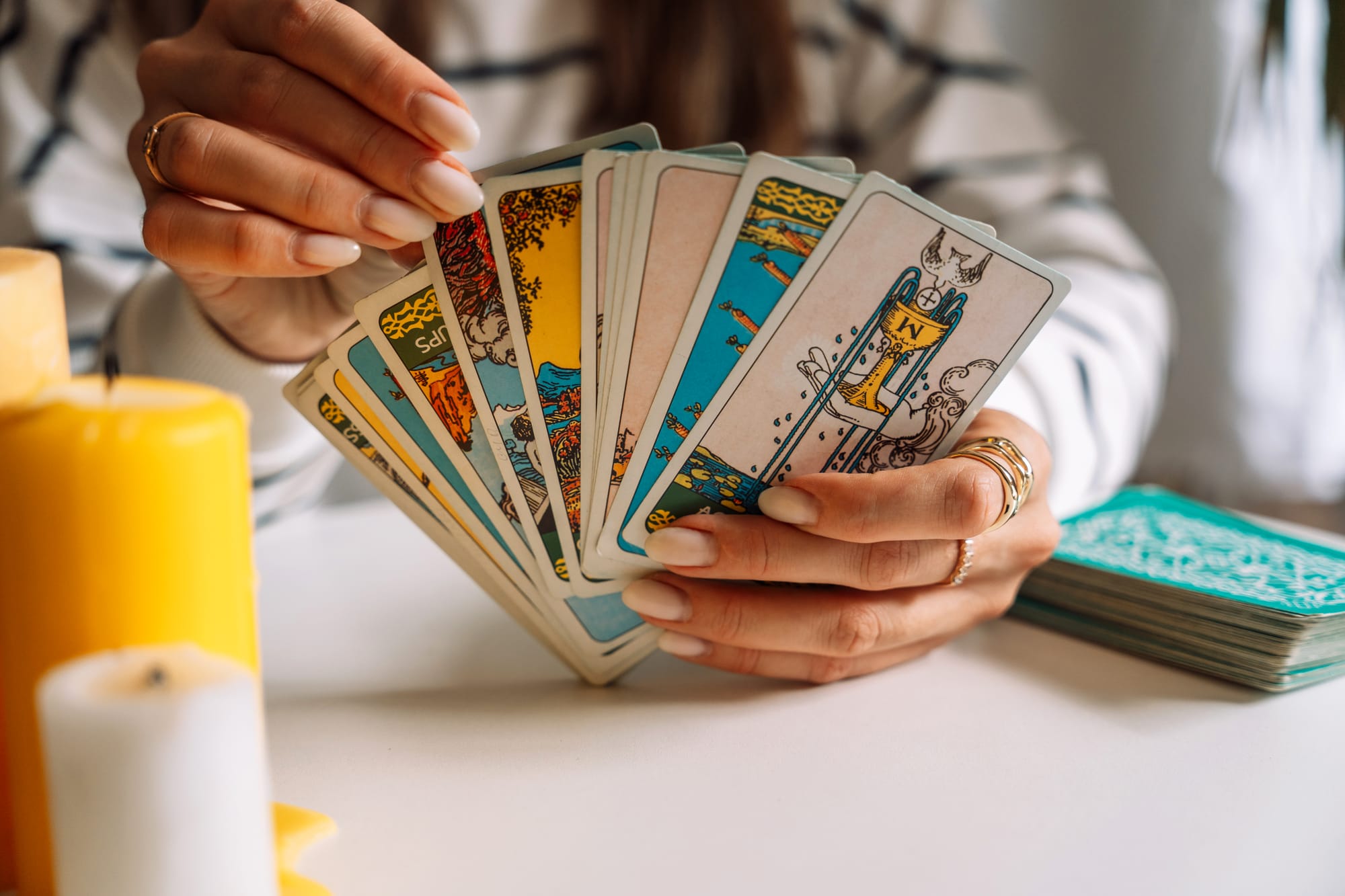
Kassi Gregory - Heart of Tigiris is a Tarot space for thoughtful self guidance and practical reflection. If you found this on www.tigirisillustrations.com, consider this article a field guide to the first half of the Major Arcana and the real life decisions they can help you make with more clarity.
The Major Arcana does not just describe events, it describes forces. Each card highlights a lesson you can apply today, even if you are not doing a full spread. When you are stuck between two options, repeating the same pattern, or feeling pulled by fear and hope at the same time, these cards offer a simple question: What is the life lesson here, and what action matches it?
This list focuses on the first 14 Major Arcana cards, The Fool (0) through Death (13). That sequence is often called the Fool’s Journey, and it maps beautifully to everyday decisions like changing jobs, committing to a relationship, moving, starting a project, setting boundaries, or letting something end.
How to use this list for real decisions
- Pick the card that keeps showing up, or intentionally choose one card whose lesson you want to embody. Read its section and write down the decision you are facing in one sentence.
- Separate facts, feelings, and fears. Facts are verifiable. Feelings are valid signals. Fears are often stories about the future. Most stuck decisions are a tangle of all three.
- Choose one small action that reflects the card’s lesson within 24 to 72 hours. Tarot becomes useful when it changes behavior, not when it stays abstract.
- Look for the shadow. Every card has a growth path and a trap. When a card is “right,” it can still be misused.
A simple one card decision method
- Ask: “What lesson am I being asked to learn in this decision?” Pull one Major Arcana card.
- Then ask: “What is one grounded step that honors this lesson?” Pull a second card from the full deck, or choose an action from the section below.
- End by defining a deadline. Clarity without a timeline can become avoidance.
Below are the Top 14 Major Arcana life lessons and practical ways to apply each card in real decisions.
1) The Fool, choosing the brave beginning
The Fool is the lesson of stepping forward before you have perfect certainty. It is not reckless, it is alive. When this card shows up, life is asking you to learn trust, experimentation, and resilience. The Fool teaches that a “wrong” first step can still be the right path if it teaches you what you needed to learn.
- Life lesson: You cannot think your way into a new life. You walk into it.
- Best decisions for this energy: launching a creative project, traveling, moving to a new phase, saying yes to a beginner role, dating again after a long pause.
- Practical application: define the smallest reversible step. Apply for the program, publish the first piece, schedule the call, take the trial class.
- What to ask yourself: “If I trusted myself to adapt, what would I try?” “What is the cost of waiting one more month?”
- Watch for the shadow: escapism, impulsivity, ignoring consequences. If you keep leaping to avoid discomfort, it is not The Fool, it is avoidance dressed up as freedom.
- Real decision example: You want to change careers but feel unqualified. The Fool says: take a beginner step that teaches you something real. Enroll in a short course, volunteer for one project, or have one informational interview this week.
2) The Magician, using what you already have
The Magician is the lesson of agency. You have tools, skills, contacts, time, and attention. The question is whether you will direct them with intention. The Magician is not wishful thinking, it is focused creation. This card often appears when you underestimate your own influence, or when you scatter your energy across too many options.
- Life lesson: Your reality changes when you align skill, will, and action.
- Best decisions for this energy: negotiating, starting a business, pitching an idea, building a portfolio, improving communication, turning a talent into a plan.
- Practical application: list your four “elements.” Time, money, relationships, and skills. Choose one goal and assign one concrete action to each element.
- What to ask yourself: “What resources am I ignoring?” “Where am I pretending I am powerless?”
- Watch for the shadow: manipulation, shortcuts, overpromising. If you feel tempted to control rather than collaborate, slow down.
- Real decision example: You are torn between two job offers. The Magician says: do not just choose the shinier title. Choose the role where you can actively shape outcomes. Ask about autonomy, learning budget, and decision authority before you decide.
3) The High Priestess, trusting the quiet yes and no
The High Priestess teaches inner knowing. Not anxiety, not fantasy, but a steady inner signal that becomes clearer when you reduce noise. This card appears when the answer is already inside you, but you are trying to get permission from the outside world. It also appears when something is not yet meant to be revealed, and patience is part of the lesson.
- Life lesson: Your intuition gets stronger when you stop arguing with it.
- Best decisions for this energy: relationship choices, whether to share personal information, timing decisions, choosing a mentor, deciding what to study.
- Practical application: create a 24 hour no input window. No social media, no advice seeking, no extra research. Journal on the question and notice what repeats.
- What to ask yourself: “What do I know but do not want to admit?” “If I stop explaining, what remains true?”
- Watch for the shadow: secrecy that isolates, fear of being seen, confusing intuition with suspicion. Intuition is calm. Suspicion is activated.
- Real decision example: You are considering moving in with someone. The High Priestess says: listen for what is unsaid. Do a practical conversation about finances and chores, then sit with your body’s response. If you feel persistent tightness, do not override it with logic.
4) The Empress, choosing what nourishes growth
The Empress is creation, embodiment, and care. She asks you to value what is fertile in your life, not just what is efficient. This card can guide decisions about home, family, art, and self worth, but it also shows up in business when you need to invest in long term sustainability.
- Life lesson: What you nurture, nurtures you back.
- Best decisions for this energy: choosing a living situation, investing in health, building routines, parenting choices, committing to a creative practice.
- Practical application: ask, “Will this choice feed my energy or drain it?” Then back it up with a plan for rest, support, and resources.
- What to ask yourself: “Where am I underfeeding my life?” “What would feel like true support?”
- Watch for the shadow: overgiving, smothering, using comfort to avoid growth. Nourishment is not the same as indulgence.
- Real decision example: You want to take on more work to prove yourself. The Empress says: choose the option that supports your health and creativity. If the new workload removes sleep and joy, it is not abundance, it is depletion.
5) The Emperor, building structure that protects what matters
The Emperor is leadership, boundaries, and strategic planning. He teaches that freedom often requires structure. This card shows up when a situation needs clear rules, accountability, or a firm decision. The Emperor is especially useful when you have been floating, people pleasing, or letting others set the agenda.
- Life lesson: A clear boundary is an act of care.
- Best decisions for this energy: contracts, budgets, long term commitments, defining roles, creating routines, stepping into authority.
- Practical application: write your non negotiables. Then communicate them plainly, without overexplaining. Create a timeline and a measurement for success.
- What to ask yourself: “What standard am I willing to uphold?” “What happens if I do nothing for six months?”
- Watch for the shadow: rigidity, control, pride, refusing help. Structure should serve life, not suffocate it.
- Real decision example: A friend keeps crossing your time boundaries. The Emperor says: set a clear rule, for example, “I can talk on weekends, not during work hours.” Then enforce it consistently.
6) The Hierophant, learning from tradition without surrendering your soul
The Hierophant represents institutions, lineage, education, and shared values. Sometimes the best move is to follow a proven path, learn the fundamentals, and respect a system that works. Other times, this card challenges you to examine beliefs you inherited and decide whether they still fit.
- Life lesson: Belonging is powerful, but discernment is sacred.
- Best decisions for this energy: choosing a school, certification, therapist, spiritual community, marriage traditions, or business mentorship.
- Practical application: identify the rule you are following. Then ask whether it creates stability or shame. Keep what strengthens you, question what shrinks you.
- What to ask yourself: “Whose approval am I chasing?” “What values do I want to live by?”
- Watch for the shadow: dogma, conformity, outsourcing your judgment, staying because you fear being different.
- Real decision example: You are deciding whether to pursue formal training in Tarot, counseling, or a creative craft. The Hierophant says: a solid foundation will help your gifts grow. Choose a program with ethics, community support, and real practice, not just hype.
7) The Lovers, choosing values based alignment
The Lovers is not only romance. It is choice, integrity, and alignment. This card asks you to decide from your values rather than from fear, thrill, or external pressure. The Lovers often appears when two paths are available, and your decision will shape your identity.
- Life lesson: The right choice feels like self respect.
- Best decisions for this energy: relationship commitments, ethical dilemmas, partnerships, choosing between two offers, deciding what you will and will not tolerate.
- Practical application: write your top five values, for example honesty, freedom, family, creativity, stability. Rate each option from 1 to 10 on how well it honors those values.
- What to ask yourself: “If nobody judged me, what would I choose?” “What am I saying yes to, and what am I saying no to?”
- Watch for the shadow: indecision, people pleasing, romanticizing. If you keep waiting for a sign, you may be avoiding responsibility for choosing.
- Real decision example: You are offered a promotion that conflicts with your need for family time. The Lovers says: choose the option that matches your true priorities, even if it disappoints someone.
8) The Chariot, committing to a direction and driving it
The Chariot teaches momentum through discipline. It is the card of willpower, focus, and victory that comes from sustained effort. The Chariot appears when your life needs a clear “yes,” a plan, and follow through. It also appears when you are pulled in opposite directions and must integrate competing needs.
- Life lesson: Success is a practiced skill, not a mood.
- Best decisions for this energy: training, relocating, leading a project, making a decisive break from distractions, committing to a health plan.
- Practical application: choose one main goal for the next 30 days. Remove one distraction, add one supportive habit, and schedule weekly check ins with yourself.
- What to ask yourself: “Where am I leaking energy?” “What does commitment look like in my calendar?”
- Watch for the shadow: forcing outcomes, burnout, aggression, treating life like a battle. If you are winning but miserable, adjust the strategy.
- Real decision example: You want to write a book, but you keep rewriting the first chapter. The Chariot says: set a word count goal, draft forward, and let the work get messy. Motion creates confidence.
9) Strength, leading with courage and gentleness
Strength is often misunderstood as pure toughness. In Tarot, Strength is courage that stays present, and power that does not need to dominate. It teaches emotional regulation, self compassion, and patience with the parts of you that feel afraid, angry, or uncertain.
- Life lesson: You are strongest when you do not abandon yourself.
- Best decisions for this energy: difficult conversations, healing, sobriety or habit change, advocating for yourself, choosing a path that requires steady confidence.
- Practical application: before a decision, practice a two minute regulation reset. Slow breathing, relax your jaw, and name the feeling without judgment. Then decide.
- What to ask yourself: “What would I do if I believed I could handle the outcome?” “Can I be both kind and firm?”
- Watch for the shadow: suppressing emotions, enduring harm in the name of patience, confusing tolerance with strength. Strength includes the courage to leave.
- Real decision example: You are in a relationship cycle of apologies without change. Strength says: be honest, set consequences, and follow through. Compassion does not require you to accept the same wound repeatedly.
10) The Hermit, seeking truth before action
The Hermit is wisdom, solitude, and inner mentorship. This card appears when you need time to think, heal, or reorient. The Hermit is not isolation for its own sake, it is intentional withdrawal so you can hear your own mind. It is also the card of doing the research, not to delay, but to make the choice clean.
- Life lesson: Not every answer comes from speed, some come from stillness.
- Best decisions for this energy: choosing a new path, ending an old pattern, deciding what to study, pausing before a big commitment, redefining your purpose.
- Practical application: schedule a personal retreat, even if it is three hours. Walk without headphones, write down what you truly want, and identify what needs to change to support it.
- What to ask yourself: “What am I avoiding by staying busy?” “What advice would I give to someone I love?”
- Watch for the shadow: analysis paralysis, loneliness, cynicism. If solitude becomes hiding, choose one trusted person and share your plan.
- Real decision example: You are tempted to say yes to a social commitment you do not want. The Hermit says: honor your need for rest and reflection. Decline politely, and use that time to reconnect with your own priorities.
11) Wheel of Fortune, working with change instead of fighting it
The Wheel of Fortune is cycles, timing, and turning points. It reminds you that luck and change are real forces, but so is your response. This card appears when something is shifting and your job is to adapt with wisdom, not cling to the old storyline. It can also signal a moment when you should take a calculated opportunity because the timing is favorable.
- Life lesson: You cannot control the cycle, but you can choose your position in it.
- Best decisions for this energy: taking a timely opportunity, pivoting a strategy, accepting an ending, preparing for a new season, making peace with uncertainty.
- Practical application: ask what is in your control today. Skills you can build, money you can save, conversations you can have. Then name what is not in your control and stop negotiating with it.
- What to ask yourself: “What season am I in?” “Where is life asking me to update my plan?”
- Watch for the shadow: fatalism, gambling energy, passivity. The Wheel is not permission to do nothing, it is a reminder to steer when you can.
- Real decision example: Your industry is changing rapidly. The Wheel says: reskill. Take the course, update the portfolio, and network now, before the shift forces you to react in panic.
12) Justice, choosing what is fair and true
Justice is ethics, consequences, and clear-eyed assessment. It asks you to take responsibility and to make decisions that can stand up to scrutiny. Justice also reminds you to gather accurate information, because fairness depends on facts. This card is powerful for legal matters, contracts, boundary decisions, and any situation where accountability is needed.
- Life lesson: Truth is stabilizing, even when it is uncomfortable.
- Best decisions for this energy: signing agreements, resolving conflict, ending a situation that is unbalanced, clarifying expectations, making amends.
- Practical application: write a simple “balance sheet.” What am I giving, what am I receiving, what is promised, what is delivered. Then decide based on reality.
- What to ask yourself: “What is the most honest version of this story?” “What would be fair to all involved, including me?”
- Watch for the shadow: harsh judgment, perfectionism, punishing yourself, needing things to be “even” instead of healed. Justice is clarity, not cruelty.
- Real decision example: A client repeatedly pays late. Justice says: update your policy, add late fees, require deposits, or end the contract. Respect for your work is not optional.
13) The Hanged Man, seeing from a new angle before you decide
The Hanged Man is the lesson of surrender, reframing, and strategic pause. This card appears when forcing a decision will only tighten the knot. Sometimes the wisest move is to wait, observe, and change your perspective. The Hanged Man also teaches conscious sacrifice, choosing what you will let go of in order to gain something more meaningful.
- Life lesson: A pause can be progress when it changes how you see.
- Best decisions for this energy: whether to quit, whether to reconcile, when to launch, how to respond to uncertainty, choosing between control and peace.
- Practical application: do a perspective flip exercise. Argue for the opposite of your current belief for ten minutes. Then write what new information appeared.
- What to ask yourself: “What am I clinging to?” “What if the delay is protecting me?”
- Watch for the shadow: martyrdom, stagnation, waiting forever, avoiding responsibility. Surrender should have a purpose and a review date.
- Real decision example: You keep pushing a creative launch that is not landing. The Hanged Man says: pause, gather feedback, and change the framing. Adjust the offer, the audience, or the message before you push again.
14) Death, letting an ending do its sacred work
Death is transformation, closure, and the truth that something has run its course. This card does not predict literal death in most modern readings. It signals an ending that clears space for renewal. Death asks for clean breaks, honest grieving, and a willingness to release what you cannot carry forward.
- Life lesson: You cannot begin the next chapter while rereading the last one.
- Best decisions for this energy: ending a relationship, leaving a job, changing identity, quitting a habit, downsizing, saying goodbye to an old version of yourself.
- Practical application: do an intentional closing ritual. Write what you are releasing, what you learned, and what you are choosing now. Then take one external action, cancel the subscription, return the key, delete the draft, set the boundary.
- What to ask yourself: “What am I afraid will happen if I let this end?” “What life could grow if I made space?”
- Watch for the shadow: clinging, dramatic scorched earth reactions, ending things without integration. A clean ending is firm, not chaotic.
- Real decision example: You keep trying to revive a friendship that has become disrespectful. Death says: acknowledge the truth, grieve it, and stop reopening the wound. Then reinvest in connections that are reciprocal.
How to combine these lessons when a decision feels complex
Real life choices rarely fit one card perfectly. If you are torn, identify the two cards that describe your inner conflict, then choose a third card as your integrating lesson.
- The Fool vs The Emperor: freedom versus structure. Integration: commit to a small experiment inside a firm routine.
- The High Priestess vs The Hierophant: inner knowing versus external guidance. Integration: learn the rules, then decide which ones you will keep.
- The Lovers vs Justice: heart versus fairness. Integration: choose what aligns with your values and your long term consequences.
- The Chariot vs The Hanged Man: push versus pause. Integration: set a deadline for waiting, then act decisively when the time arrives.
- Strength vs Death: endurance versus ending. Integration: ask whether courage here means staying and repairing, or leaving and transforming.
A grounding reminder for Tarot based decision making
Tarot is a powerful mirror, but it works best alongside practical steps. If a decision involves health, safety, legal issues, or serious financial risk, combine Tarot reflection with professional advice and clear information. Use the cards to understand your motives, patterns, and next best actions, not to outsource your responsibility.
If you want to make this list even more actionable, choose one card lesson for the week and practice it daily. At the end of the week, write down what shifted. Over time, you will notice a bigger pattern, the Major Arcana are not just cards you draw, they are skills you build.