Top 14 Major Arcana Life Lessons, How to Apply Each Card in Real Decisions
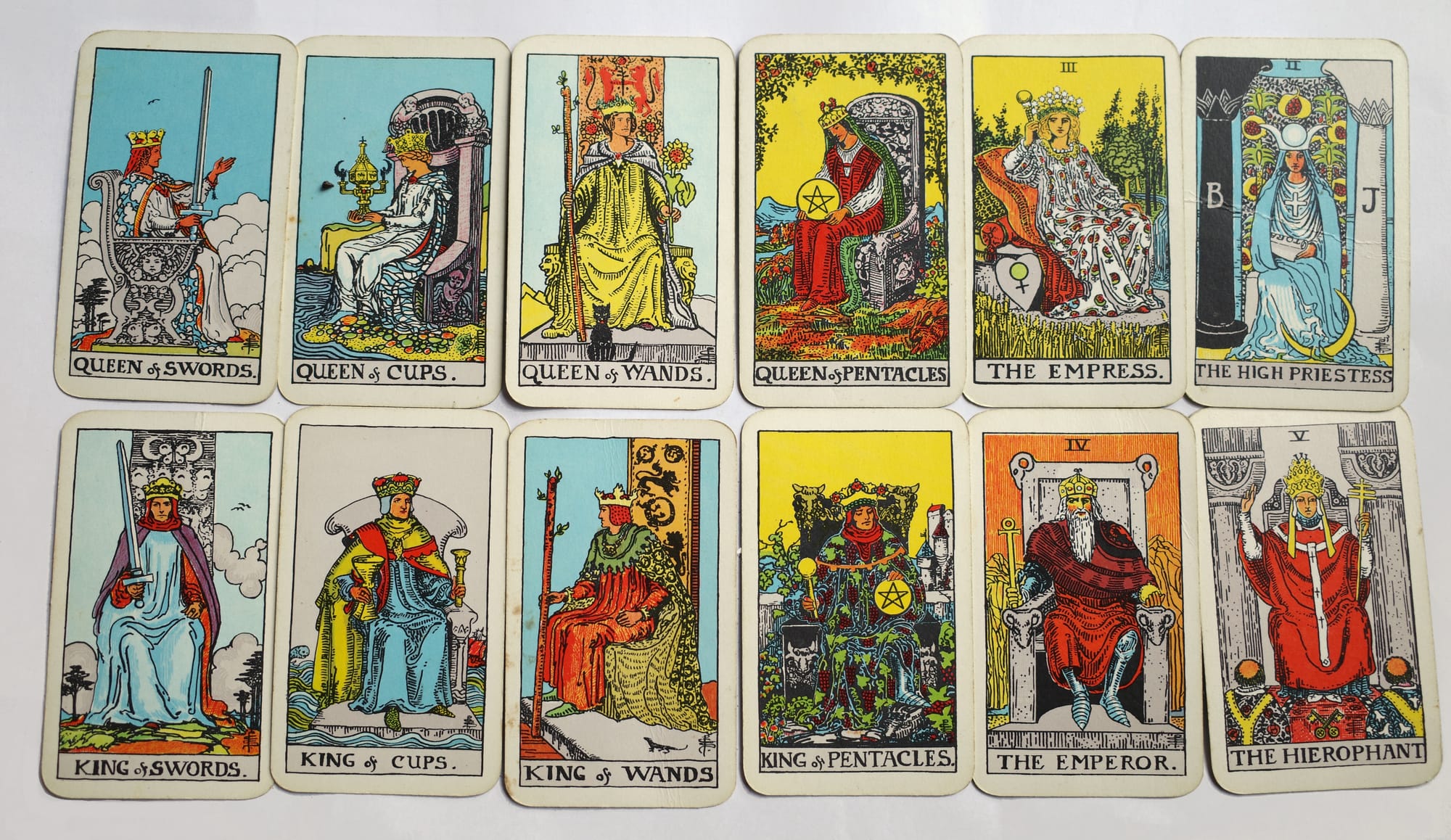
Heart of Tigiris is a tarot space for artful reflection and practical choices. If you read tarot at www.tigirisillustrations.com, you likely already know the Major Arcana are not just “mystical” cards, they are decision tools. Each Major Arcana card points to a life lesson that repeats in different forms across careers, love, health, family, and creative work.
This article is a hands on list of 14 Major Arcana life lessons, each paired with real decision applications. Use it when you are choosing a path, negotiating a relationship dynamic, starting a project, leaving a job, setting boundaries, or trying to trust your timing. You can read these as meanings, but more importantly, as prompts for action.
How to use this list for real decisions
- Pick the card you pulled, or the one that keeps coming up in your mind.
- Read the “life lesson” and “how to apply” sections.
- Answer the prompts in writing, then choose one small action you can take in the next 24 hours.
- If you pulled multiple cards, start with the one that feels most uncomfortable. That is usually the lesson asking to be lived, not just understood.
Top 14 Major Arcana Life Lessons, and how to apply each card in real decisions
1) The Fool, Begin before you feel ready
Life lesson: The Fool teaches that growth requires stepping into the unknown with curiosity. It is not about being reckless, it is about accepting that certainty is rarely available at the beginning. The lesson is to choose aliveness over overthinking, and to treat mistakes as tuition rather than proof you failed.
How to apply The Fool in real decisions: Use The Fool when you are stuck in analysis, waiting for the “perfect time,” or postponing a start because you want a guarantee. The Fool supports decisions that prioritize learning speed and lived experience. When this card is active, the highest cost is usually the cost of delay, not the cost of a first imperfect attempt.
- Decision filter: “Will this choice expand my experience, even if I cannot control the outcome?”
- Green flags: A clear desire, a safe enough starting point, a chance to learn quickly, supportive people nearby.
- Red flags: Saying yes to prove something, ignoring obvious safety issues, refusing any plan at all.
- Practical move: Break the decision into a reversible first step. Apply, submit, audition, publish a draft, book a short trial, schedule the first conversation.
Prompts
- What am I postponing because I want certainty, not because I lack capability?
- What is the smallest “first leap” that gives me real information?
- What support or boundary would make this leap safer?
2) The Magician, Use what you have, where you are
Life lesson: The Magician is personal agency. The lesson is that you already have tools, time, relationships, skill, voice, and attention. You do not need to wait for a perfect set of resources to begin creating results. The Magician also teaches alignment, your words, actions, and intentions must match.
How to apply The Magician in real decisions: When you are deciding whether you are “ready,” The Magician asks a sharper question, “Can I start with what is already on my table?” This card is excellent for business choices, creative launches, negotiations, and leadership moments. It can also warn against manipulation, which is agency without integrity.
- Decision filter: “Do I have enough to begin, and can I communicate my intention clearly?”
- Green flags: Skills you can name, a plan you can explain, willingness to iterate, honest marketing or honest conversation.
- Red flags: Trying to impress instead of connect, vague promises, hiding key information, relying on charm alone.
- Practical move: Make a one page plan with three columns: tools I have, tools I need, tools I can borrow or learn. Then start with the first column today.
Prompts
- What am I pretending I need before I can start?
- Where am I underestimating my existing skill or network?
- What would alignment look like between my values and my strategy?
3) The High Priestess, Trust patterns, not noise
Life lesson: The High Priestess teaches inner knowing, quiet observation, and the strength of pause. The lesson is not “always trust your gut,” it is “learn to tell the difference between intuition and anxiety.” This card values consistency, symbolism, and what repeats. It reminds you that you do not have to react to every message, opinion, or emotion.
How to apply The High Priestess in real decisions: Use this card when you sense something is off, but you cannot prove it yet, or when you feel pressured to answer quickly. The High Priestess supports waiting for more information and listening to your body. In relationships and work, it can mean “watch what they do, not what they promise.”
- Decision filter: “What do I know repeatedly, not just in one intense moment?”
- Green flags: Calm clarity, consistent signals over time, respectful silence, research, journaling, time to think.
- Red flags: Urgency, confusion that worsens after contact, secrets used as power, needing to chase answers.
- Practical move: Delay a decision by 24 to 72 hours. Observe how you feel after rest, food, and distance. Then decide.
Prompts
- What pattern keeps repeating, even if I try to rationalize it away?
- If I say nothing, what truth becomes easier to hear?
- What information do I still need, and how can I gather it quietly?
4) The Empress, Choose what nourishes growth
Life lesson: The Empress is creation, care, and the ability to receive. The lesson is that growth is supported by nourishment, not just effort. This card values beauty, rest, resources, emotional safety, and a relationship with pleasure that is not based on guilt. It also teaches that you can build a life that is fertile, supportive, and sustainable.
How to apply The Empress in real decisions: Use The Empress when deciding about home, family, creativity, wellness, money management, and anything that requires long term care. The Empress asks whether a choice will feed you and your future, or drain you. It is also useful for deciding how to price your work and how to treat your body during stress.
- Decision filter: “Will this choice nourish me, and will it allow what I care about to grow?”
- Green flags: Supportive environment, stable resources, kind communication, time for recovery, room for creativity.
- Red flags: Chronic depletion, scarcity drama, shaming your needs, “earning” rest, inconsistent care.
- Practical move: Add a nourishment line item to your decision. For example, if you take the new job, what will protect sleep, meals, movement, and joy?
Prompts
- Where am I confusing productivity with worth?
- What does my body say yes to, and what does it tense against?
- What would I choose if I believed support was allowed?
5) The Emperor, Structure creates freedom
Life lesson: The Emperor teaches boundaries, strategy, and responsibility. The lesson is that real freedom often comes from clear structure. When you define roles, rules, timelines, and standards, you reduce chaos and increase trust. This card also highlights leadership, not as control, but as stewardship.
How to apply The Emperor in real decisions: Use The Emperor when choosing commitments, contracts, authority dynamics, long range plans, and when you need to protect your time. If you are deciding whether to say yes to a role, ask what power and responsibility come with it. If you are building a habit, The Emperor favors simple routines you can actually repeat.
- Decision filter: “What structure will make this sustainable, and what boundary must be enforced?”
- Green flags: Clear expectations, transparent pay, defined responsibilities, consistent follow through, measurable goals.
- Red flags: Vague authority, moving goalposts, punishment for asking questions, chaos framed as “passion.”
- Practical move: Write your non negotiables, then communicate them plainly. For example, hours, rates, scope, fidelity, privacy, parenting roles.
Prompts
- What do I need to define, so I can stop renegotiating it daily?
- Where am I avoiding responsibility, and paying for it with stress?
- What would a strong but fair boundary sound like?
6) The Hierophant, Learn the rules, then choose your relationship to them
Life lesson: The Hierophant is tradition, education, community, and shared values. The lesson is that systems can teach you, support you, and also limit you. This card invites you to understand the rules of a culture, industry, family system, or spiritual path, and then decide how you will participate.
How to apply The Hierophant in real decisions: Use this card when deciding about marriage, mentorship, certifications, joining groups, religious or spiritual commitments, and navigating institutions. Sometimes the best decision is to respect tradition. Other times, the best decision is to outgrow it. The Hierophant helps you tell the difference by focusing on values rather than rebellion.
- Decision filter: “Does this tradition support my values, and can I learn from it without losing myself?”
- Green flags: Wise mentors, ethical standards, consistent community support, clear rites of passage, accountability.
- Red flags: Shame based control, anti questioning culture, isolation from outside support, hypocrisy, pay to belong pressure.
- Practical move: Interview the system. Ask questions before committing. Ask how conflict is handled, how money is used, what happens if you leave.
Prompts
- What belief did I inherit that I have never tested?
- Who benefits if I stay obedient, and who benefits if I grow?
- What ethical standard do I refuse to compromise?
7) The Lovers, Choose with integrity, not just desire
Life lesson: The Lovers is not only romance, it is values based choice. The lesson is that love is a decision, and so is self respect. This card highlights the moment when you must choose alignment, even if you risk disappointment. It also teaches that attraction without shared values creates confusion over time.
How to apply The Lovers in real decisions: Use this card when you are choosing between two paths, especially when both are appealing. The Lovers asks you to decide based on your core values and long term character, not just immediate chemistry or fear. It is powerful for relationship choices, partnerships, and career decisions that affect your identity.
- Decision filter: “Which option allows me to be honest, consistent, and proud of my behavior?”
- Green flags: Mutual respect, shared direction, clear consent, honest conflict, you like who you become near them.
- Red flags: Triangulation, secrecy, double lives, choosing to be chosen, self abandonment to keep peace.
- Practical move: Write your top five values, then score each option 1 to 10 on how well it supports each value.
Prompts
- If no one judged me, what would I choose?
- Where am I negotiating my integrity for comfort?
- What choice makes my life simpler, not more complicated?
8) The Chariot, Commitment beats mood
Life lesson: The Chariot teaches focused will, self discipline, and forward motion through conflicting forces. The lesson is that progress comes from choosing a direction and staying with it long enough to gain momentum. This is not about forcing outcomes, it is about managing your energy, attention, and time.
How to apply The Chariot in real decisions: Use The Chariot when you need to decide whether you are truly committed, or only interested when it is easy. It is excellent for health goals, business growth, creative production, education, and any choice that requires consistency. The Chariot also reminds you that emotional swings do not have to control your behavior.
- Decision filter: “What is the direction, and what daily actions prove my commitment?”
- Green flags: Clear goal, routine, accountability, milestones, willingness to say no to distractions.
- Red flags: Constant pivoting, drama as motivation, trying to win at any cost, burnout disguised as ambition.
- Practical move: Pick one measurable target for 30 days. Define the minimum daily action that counts as success.
Prompts
- What is my real goal, stripped of ego and comparison?
- What distraction do I need to reduce, to regain power?
- What does steady progress look like this week, not someday?
9) Strength, Gentle courage is still courage
Life lesson: Strength teaches inner resilience, self trust, and emotional regulation. The lesson is that power does not have to be loud. Strength shows how to face fear without becoming harsh, and how to hold boundaries without losing compassion. It also emphasizes patience with your own healing process.
How to apply Strength in real decisions: Use Strength when you are dealing with anxiety, anger, trauma patterns, or self doubt. It supports decisions that build confidence slowly, through repeated proof. It also helps you choose the brave conversation, the honest “no,” or the steady commitment to therapy, recovery, or training.
- Decision filter: “What choice builds self respect, even if it is uncomfortable?”
- Green flags: Calm firmness, self soothing skills, supportive allies, honest vulnerability, consistent self care.
- Red flags: Proving yourself through pain, dominance games, suppressing emotions until you explode, avoiding hard truths.
- Practical move: Choose one boundary to practice for two weeks. Keep it small and specific. Track how you feel after enforcing it.
Prompts
- What fear is asking to be met with kindness, not force?
- Where do I confuse intensity with strength?
- What would I do if I trusted myself to handle the outcome?
10) The Hermit, Seek truth over approval
Life lesson: The Hermit teaches solitude, wisdom, and self guidance. The lesson is that not all answers come from other people. Sometimes you need quiet to hear your real priorities. The Hermit is also about pacing, turning down noise so your inner compass can work.
How to apply The Hermit in real decisions: Use The Hermit when you feel pulled by external expectations, social media pressure, or family narratives. It can signal a need for a temporary retreat, fewer opinions, and more reflection. The Hermit is also excellent for big life crossroads where you must choose what is true for you, not what looks impressive.
- Decision filter: “If no one could see my choice, what would I do?”
- Green flags: Quiet clarity, less urgency, deeper values, consistent intuition, desire for simplicity.
- Red flags: Isolation used as avoidance, ghosting instead of communicating, refusing support out of pride.
- Practical move: Take a 48 hour opinion fast. No asking friends, no scrolling advice, no polling. Journal your decision from the inside out.
Prompts
- What part of me is wiser than my fear?
- What am I trying to prove, and to whom?
- What would a quiet, honest next step be?
11) Wheel of Fortune, Work with timing, not against it
Life lesson: The Wheel of Fortune teaches cycles, change, and the reality that not everything is under personal control. The lesson is to prepare, adapt, and recognize when life is shifting. The Wheel does not remove agency, it upgrades it by focusing you on what you can influence, and helping you release what you cannot.
How to apply the Wheel of Fortune in real decisions: Use this card when circumstances change quickly, when you face unexpected opportunities, or when you feel a chapter ending. The Wheel supports flexible planning. It also encourages you to build systems that can handle change, like savings, skills, community ties, and emotional resilience.
- Decision filter: “What is changing, and how can I position myself wisely within the change?”
- Green flags: Openness to pivot, contingency plans, learning mindset, gratitude without complacency.
- Red flags: Gambling with essentials, chasing highs, fatalism, refusing to adapt because “it should not be this way.”
- Practical move: Make a two list map: what I control, what I influence, what I accept. Then take one action in the control column today.
Prompts
- What cycle am I in, beginning, middle, or ending?
- What opportunity is here because of the change, not despite it?
- If this situation repeats, what preparation would help next time?
12) Justice, Clarity and consequences create peace
Life lesson: Justice teaches truth, balance, fairness, and accountability. The lesson is that decisions have consequences, and peace comes from facing that honestly. Justice asks you to see your role clearly, to make clean choices, and to correct course when you have been out of alignment.
How to apply Justice in real decisions: Use Justice when dealing with legal matters, contracts, money, ethics, and relationship accountability. It can indicate that a choice should be made based on facts, not excuses. Justice is also a card of self honesty, if you are unhappy, what is your contribution, and what is the fairest response now?
- Decision filter: “Is this fair, factual, and consistent with my ethics?”
- Green flags: Written agreements, transparent communication, willingness to repair, clear boundaries, accurate information.
- Red flags: Moving goalposts, emotional blackmail, avoiding responsibility, vague agreements, selective truth.
- Practical move: Put it in writing. Summarize agreements after conversations. Track numbers. Verify claims. Choose clarity over comfort.
Prompts
- What are the facts, separate from my story about them?
- What consequence am I avoiding, and why?
- What would I choose if I treated myself and others with equal fairness?
13) The Hanged Man, Release control to gain perspective
Life lesson: The Hanged Man teaches surrender, reframing, and purposeful pause. The lesson is that pushing harder is not always the answer. Sometimes the way forward arrives when you stop forcing, accept uncertainty, and allow a new viewpoint to emerge. This card often appears when you are in a liminal space, not where you were, not yet where you are going.
How to apply The Hanged Man in real decisions: Use this card when you feel stuck, when every option seems to have a cost, or when your usual approach is not working. The Hanged Man supports stepping back, changing assumptions, and choosing a short term sacrifice for a long term gain. It can also indicate that waiting is an action, if it is intentional.
- Decision filter: “What am I gripping, and what happens if I loosen my hold?”
- Green flags: New perspectives, willingness to learn, time for reflection, accepting temporary discomfort for clarity.
- Red flags: Passive stagnation, martyrdom, delaying out of fear, refusing any responsibility for change.
- Practical move: Reverse the question. Instead of “How do I make this work,” ask “What if this is not meant to work like this, what else could be true?”
Prompts
- What assumption am I treating as fact?
- What could I let go of for 30 days to see more clearly?
- Where would patience be wiser than action?
14) Death, Endings are active choices, not tragedies
Life lesson: Death teaches transformation, closure, and the courage to finish. The lesson is that an ending is not a failure, it is often a necessary completion. This card invites you to release what is expired, even if it once mattered deeply. Death also teaches clean transitions, grief, honesty, and respect for what was.
How to apply Death in real decisions: Use Death when you are deciding whether to leave a job, end a relationship, stop a habit, change a business model, or close a chapter that has become draining. This card supports decisive simplification. It is also a reminder to end things properly, communicate clearly, return what is owed, and make space for the next life phase.
- Decision filter: “What must end for my life to move forward with integrity?”
- Green flags: Relief at the thought of ending, repeated evidence it is complete, opportunities that require space, desire for renewal.
- Red flags: Ending to punish someone, burning bridges unnecessarily, refusing to grieve, making a drastic move without basics in place.
- Practical move: Create an ending plan. Decide the date, the message, the logistical steps, the support you need, and the first thing you will do after you close the door.
Prompts
- What am I keeping because I fear the void, not because it is alive?
- What would closure look like that respects me and the other person?
- If I end this, what energy returns to me?
How to turn any Major Arcana lesson into a decision, a simple 5 step method
- Name the decision: Write it as one sentence. Example, “I will accept the new role,” or “I will end this situationship.”
- Name the cost of staying: Major Arcana work is honest. If you do nothing for six months, what happens?
- Name the cost of change: What discomfort is guaranteed if you choose the new path?
- Choose the value: Pick one value that you want to embody. Example, integrity, stability, creativity, peace, courage.
- Choose one action in 24 hours: A message, a plan, a budget, a boundary, an appointment, a first draft. One real step.
Closing reflection
The Major Arcana are a map of becoming. They are not here to predict your life, they are here to help you participate in it. When you apply these cards to real decisions, you move from abstract meaning into lived wisdom. If you want, return to this list whenever a card repeats in your readings, and treat that repetition as a curriculum, not a coincidence.
If you read with Kassi Gregory, Heart of Tigiris, you can pair these lessons with your own spreads and your own art practice. The most powerful tarot reading is the one that changes what you do next.