Top 25 Tarot Journaling Prompts to Meet Your Spirit Animal Guides
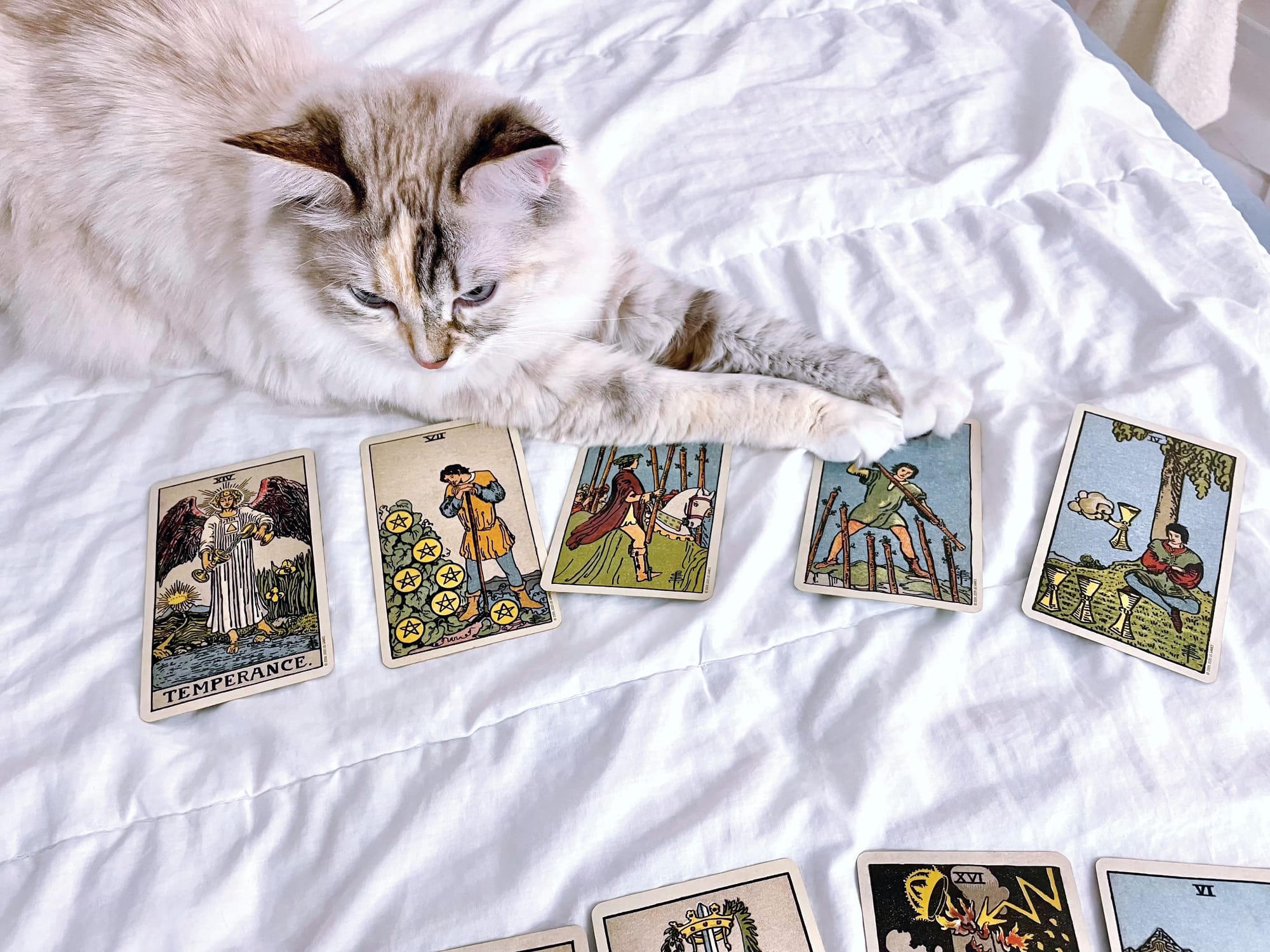
Welcome to Heart of Tigiris. If you read Tarot and feel a pull toward animal symbolism, Tarot journaling can become a doorway to meet your spirit animal guides in a grounded, practical way. This article is written for readers of www.tigirisillustrations.com who want prompts that turn a single card pull into a rich conversation with intuition, dreams, memories, and the natural world.
What this article is. It is a list of 25 Tarot journaling prompts, each designed to help you identify, recognize, and build a relationship with animal guides or animal allies that show up in your readings. Each prompt includes a suggested spread or method, questions to write about, and a way to verify the message through real world observation.
A note on language and respect. Many cultures have sacred traditions involving animal guides. If you are not part of those traditions, you can still work respectfully by treating animals as symbols, allies, and teachers, avoiding claims of initiation or authority, and focusing on personal, experiential meaning. Let your practice be humble, nature honoring, and consent based, especially if you are seeking guidance for other people.
How to use these prompts. Choose one prompt per session. Pull the cards listed, then set a timer for 15 to 30 minutes and write without editing. After you finish, circle the phrases that feel alive. End by selecting one tiny action you can do within 24 hours, such as researching an animal, taking a mindful walk, or changing a boundary in a conversation. Over time, patterns will emerge and that is usually how animal guides introduce themselves, through repetition and resonance.
Helpful setup for meeting animal guides through Tarot
Pick a dedicated journal. Keep your animal guide work in one place so you can track repeats, dates, moon phases, seasons, and locations.
Use simple confirmation rules. For example, if the same animal appears in cards, dreams, media, or real encounters three times within ten days, treat it as a meaningful thread to explore.
Work with boundaries. Start each session by writing a sentence such as, “I welcome guidance that supports my highest good, clearly and gently.”
Close the session. Note one gratitude and one grounding practice, such as drinking water, stretching, or stepping outside for fresh air.
Top 25 Tarot Journaling Prompts to Meet Your Spirit Animal Guides
1. The First Footprint Prompt
Card pull: One card, asking, “What is the first sign my animal guide wants me to notice?”
Journal: Describe the card as if it is a landscape. Where would an animal hide, drink, rest, or hunt in this scene? What part of the image feels like a track in soft earth? Write about the smallest detail you usually ignore, a background symbol, a color, a direction someone is facing. Then free write a list of animals that match that detail. For example, water suggests otter, frog, heron, fish, whale, or crocodile. Wind suggests hawk, raven, moth, bat, butterfly.
Integration: For the next three days, practice “soft eyes” observation on walks. Note any animal, feather, paw print, or unexpected animal reference, then compare it to your list.
2. The Animal Name You Need Right Now
Card pull: Three cards, “What energy supports me now, what blocks it, what animal medicine balances the two?”
Journal: For the first card, write the traits you need, such as patience, courage, play, stealth, warmth, or endurance. For the second card, write the traits that sabotage you, such as rushing, hiding, overthinking, pleasing, or isolating. For the third card, list animals that naturally hold both sides. For example, cat holds independence and affection, turtle holds protection and persistence, wolf holds loyalty and boundaries, crow holds intelligence and mystery.
Integration: Choose one animal from your list and write a one sentence intention that sounds like that animal acting in your life.
3. The Dream Messenger Spread
Card pull: Two cards, “What animal message is arriving in my dreams, what am I meant to do with it?”
Journal: Record any dream fragments, even if they feel random. Then interpret the first card as the animal itself. If the card shows movement, write how the animal moves. If the card shows stillness, write what the animal guards. Let the second card describe the action step. If it is a swords card, the action might be naming a truth. If it is a cups card, the action might be feeling without fixing. If it is a pentacles card, the action might be a physical routine. If it is a wands card, the action might be bold initiative.
Integration: Place your journal near your bed and write one sentence on waking for seven days, then compare patterns.
4. Meeting in the Liminal Space Prompt
Card pull: One card after a short meditation, asking, “Where do I meet my animal guide most easily?”
Journal: Write about the card as a doorway. Is it dawn, twilight, underwater, forest edge, mountain pass, or inside a home? Animal guides often appear in thresholds, moments between roles, seasons, or identities. Describe the “in between” place in your life, such as changing careers, grieving, moving, or becoming more visible. Then write which animals are comfortable in liminal zones, such as deer at the forest edge, fox in the suburban border, owl at dusk, bat at twilight, salmon between ocean and river.
Integration: Create a small ritual that honors thresholds, such as lighting a candle at sunset and asking for one clear sign.
5. The Protection and Boundaries Prompt
Card pull: Three cards, “What drains me, what boundary I need, what animal ally strengthens that boundary?”
Journal: For the first card, list situations where you feel porous, such as overgiving, doom scrolling, emotional labor, or unclear agreements. For the second card, translate the card into a boundary statement you could say out loud. Keep it simple. For the third card, imagine an animal standing beside you as you speak that boundary. What animal would make you feel safe without making you cruel? Bear might offer grounded power. Porcupine might offer gentle defense. Ram might offer firmness. Goose might offer protective community.
Integration: Practice the boundary statement once in writing, once in a mirror, and once in a real conversation within a week.
6. The “How You Recognize Me” Prompt
Card pull: One card, asking your animal guide, “How will I recognize you when you show up?”
Journal: Write three recognition signals based on the card. If the card emphasizes sound, your sign may come through bird calls, songs, or meaningful words. If it emphasizes water, your sign may arrive through tears, rain, baths, or ocean imagery. If it emphasizes numbers, your sign may arrive through repeated timestamps or addresses. Then write what you will not accept as a sign, to avoid spiraling. This keeps your practice sane and supportive.
Integration: Set a time limit, such as two weeks. If the sign appears, write the context and how it felt in your body.
7. The Shadow Animal Prompt
Card pull: Two cards, “What animal energy am I judging in others, what gift is hidden inside that judgment?”
Journal: Name an animal you have a strong reaction to, fear, disgust, or mockery. Then read the first card as the animal’s “shadow” trait, such as cunning, hunger, intensity, mess, or unpredictability. Read the second card as the reclaimed gift, such as strategy, appetite for life, passion, authenticity, or adaptability. Write a compassionate paragraph from the animal’s perspective defending its right to exist. This is not about becoming reckless, it is about becoming whole.
Integration: Choose one small, ethical way to integrate the reclaimed gift, such as allowing yourself to rest, say no, or pursue desire without apology.
8. The Ancestor Animal Bridge
Card pull: Three cards, “What do my ancestors want me to learn, what pattern I am meant to end, what animal guide helps me do it?”
Journal: Keep this gentle. Write about family themes without forcing big revelations. The first card can show an inherited strength, such as work ethic, creativity, humor, or survival skill. The second card can show a pattern you are ready to soften, such as silence, volatility, scarcity thinking, or self neglect. The third card suggests an animal teacher. For example, elephant may represent memory with tenderness, dog may represent loyalty without self abandonment, salmon may represent returning to your own origin, horse may represent freedom with responsibility.
Integration: Write one sentence you want to pass forward to future generations. Let the animal guide “sign” it with an imagined paw print.
9. The Body Compass Prompt
Card pull: Two cards, “Where is my intuition speaking in my body, what animal helps me trust that signal?”
Journal: Scan from head to toe and write sensations without interpretation, tight throat, warm chest, heavy stomach, buzzing hands, steady feet. The first card points to the body area or the type of sensation. The second card suggests an animal whose survival depends on body wisdom. Deer senses subtle danger. Snake reads vibration and heat. Dolphin uses sonar and play. Spider feels the web’s smallest tremor. Write about one time your body knew the truth before your mind accepted it. End with a plan to honor your next “body yes” or “body no.”
Integration: Before your next decision, pause for ten breaths and ask, “What does my body say?” Record the answer.
10. The Elemental Animal Prompt
Card pull: Four cards, “Which animal guides me through fire, water, air, and earth?”
Journal: Assign one card to each element. Let the imagery guide you, not rigid rules. Fire might bring lion, phoenix, salamander, bee, or horse. Water might bring whale, seal, otter, frog, or swan. Air might bring eagle, owl, raven, dragonfly, or moth. Earth might bring bear, boar, deer, turtle, or badger. Write what each animal teaches you about that element in your life. Fire can be desire and courage. Water can be emotion and healing. Air can be clarity and story. Earth can be stability and money.
Integration: Choose one element that feels out of balance and invite its animal guide into your week with a symbolic action.
11. The “What Are You Protecting Me From?” Prompt
Card pull: Three cards, “What I am walking toward, what could distract or harm me, how my animal guide protects me.”
Journal: Be careful not to feed fear. The second card is not destiny, it is a lesson about attention. Write about the difference between intuition and anxiety. Intuition tends to feel clear and simple. Anxiety tends to loop and catastrophize. Then write how the third card, your protector animal, would guard you. Does it warn you early like a bird alarm call, does it camouflage you like an octopus, does it guide you home like a homing pigeon, does it stand its ground like a bull?
Integration: Create a practical protection plan, such as a boundary, a budget, a schedule, or a support call, and name it after the animal.
12. The “Offerings and Reciprocity” Prompt
Card pull: One card, “How can I give back in this relationship with animal guides?”
Journal: Healthy spiritual relationships are reciprocal. Write what the card suggests as an offering. It might be time, attention, learning, activism, or kindness. Then write three real world options that do not harm wildlife, such as donating to habitat restoration, planting native flowers for pollinators, supporting ethical conservation groups, reducing plastic use, volunteering, or learning local ecology. If your practice is purely symbolic, your offering can be creative, such as drawing the animal, writing a poem, or making art that honors it.
Integration: Choose one offering you can complete this month and schedule it with a date.
13. The Personal Myth Prompt
Card pull: Three cards, “The chapter I am in, the challenge, the animal companion in my story.”
Journal: Write your life as a mythic tale, but keep it grounded. The first card is the setting and tone. The second card is the obstacle or lesson. The third card is the animal companion that travels with you, not to fix everything, but to teach a skill. Write a scene where you and this animal travel together. What does it do when you hesitate? What does it do when you rush? What does it do when you cannot see the path? Then write the moral of the scene in one sentence.
Integration: Turn the moral into an affirmation you can repeat when you get stuck.
14. The “Ask for a Clear Sign” Prompt
Card pull: Two cards, “What sign is appropriate to ask for, what sign is too intense or unrealistic?”
Journal: Many people ask for signs and then either miss them or become obsessed. This prompt creates a healthy container. The first card should inspire a gentle, ethical sign. For example, “show me a hummingbird image” is often more realistic than “send a wild animal to my window.” The second card helps you avoid signs that could create risk, fear, or magical thinking. Write a specific request that includes a timeframe, such as seven days, and a supportive purpose, such as clarity about a decision.
Integration: Make your request once, then release it. Record what happens without forcing meaning.
15. The “Which Animal Represents My Intuition?” Prompt
Card pull: One card, “What animal symbolizes my intuition when it is healthy?”
Journal: Not every animal guide is external. Sometimes the guide is a symbol of your own inner knowing. Let the card suggest an animal that matches how your intuition works. If your intuition is fast and sharp, it might be falcon. If it is quiet and patient, it might be owl or cat. If it is empathic and relational, it might be dolphin or elephant. Write about how this animal senses the world. Then write the conditions that help your intuition thrive, such as sleep, solitude, art, movement, or honest conversation.
Integration: Build one condition into your weekly routine and track how your readings change.
16. The “When I Ignore You” Prompt
Card pull: Two cards, “How I act when I ignore guidance, what my animal guide wants me to remember.”
Journal: This prompt is about compassion, not shame. The first card shows your avoidance pattern, such as overworking, overexplaining, numbing, or chasing approval. The second card is the gentle reminder your animal guide repeats. Write a letter from the animal to you that begins with, “I know you get scared when…” and ends with, “I will keep showing up as…” Then write a practical way to respond the next time you notice the avoidance pattern.
Integration: Choose a simple cue, such as a bracelet or wallpaper, that reminds you to pause and listen.
17. The “Animal Guide for Creative Work” Prompt
Card pull: Three cards, “My creative block, my creative strength, my animal guide for making art.”
Journal: If you create, illustrate, write, or read Tarot professionally, animal guides can support craft, not just spirituality. The first card names the block, such as perfectionism, comparison, lack of time, or fear of visibility. The second card names the strength, such as originality, discipline, emotion, or play. The third card suggests an animal mentor for your process. Spider can teach weaving and patience. Bee can teach community and steady output. Octopus can teach experimentation. Horse can teach momentum.
Integration: Design a “creative ritual” inspired by the animal, for example, five minutes of sketching every morning, then one brave share each week.
18. The “Animal Guide for Love and Friendship” Prompt
Card pull: Three cards, “What I want in connection, what I fear in connection, what animal guide helps me relate well.”
Journal: Let this be emotionally honest. The first card may describe your desire for tenderness, excitement, devotion, or mutual growth. The second card may reveal fears like abandonment, engulfment, rejection, or losing freedom. The third card offers a relational teacher. Swan can represent devotion. Wolf can represent pack belonging and boundaries. Cat can represent autonomy. Penguin can represent shared care. Write three behaviors that embody this animal in relationships, such as asking directly, leaving when disrespected, or offering consistent affection.
Integration: Pick one behavior and practice it in a low stakes relationship first.
19. The “Career Path Animal” Prompt
Card pull: Four cards, “What I do well, what I avoid, what the next step is, what animal helps me succeed.”
Journal: Treat your work life as a habitat. What environment helps you thrive, structure, freedom, teamwork, solitude, variety? The first card shows your natural skill. The second card shows the task you avoid, such as administration, networking, or being seen. The third card shows your next practical step. The fourth card suggests an animal strategy. Ant can teach consistent building. Fox can teach adaptability. Hawk can teach perspective and timing. Beaver can teach planning and construction.
Integration: Make a one week plan that follows the animal’s strategy and evaluate results objectively.
20. The “Healing the Nervous System” Prompt
Card pull: Two cards, “What dysregulates me, what animal guide helps me return to calm.”
Journal: This prompt supports self care, but it is not a substitute for medical advice. The first card can point to triggers, overstimulation, conflict, uncertainty, lack of rest. The second card suggests an animal model of regulation. Cat teaches rest and stretching. Sloth teaches slow pacing. Turtle teaches retreat and safety. Dolphin teaches breathing and play. Write a “calm plan” with three steps inspired by the animal, such as exhale longer than inhale, put one hand on your chest, step outside, drink water, reduce inputs.
Integration: Test the calm plan once a day for five days and note what changes.
21. The “Seasonal Guide” Prompt
Card pull: Three cards, “What this season asks of me, what I can release, what animal guides me through it.”
Journal: Pair your Tarot practice with nature’s cycles. In spring you may be called to begin. In summer you may be called to expand. In autumn you may be called to harvest and simplify. In winter you may be called to rest and reflect. The third card invites an animal that mirrors the season. Deer may represent gentle presence. Bee may represent fruitful work. Crow may represent transition and mystery. Bear may represent rest and restoration. Write a seasonal intention and three realistic habits that fit your actual life.
Integration: Create a small altar or journal page with colors and symbols of the season and the animal.
22. The “What Do You Want Me to Study?” Prompt
Card pull: One card, “What knowledge will strengthen my bond with animal guides?”
Journal: Many people jump to symbolism without learning the animal’s real behavior. Let the card point you to a topic, such as local wildlife, bird calls, marine ecosystems, pollinators, animal tracks, or ethical conservation. Write what you assume about your animal guide, then list what you do not know. Curiosity is a form of respect. Choose one source you will study, such as a reputable book, a documentary, a local naturalist group, or a field guide.
Integration: Study for 30 minutes, then write one new fact and one new symbolic meaning that arises from the fact.
23. The “Conversation Across Time” Prompt
Card pull: Three cards, “Animal guide for my past self, animal guide for my present self, animal guide for my future self.”
Journal: This prompt shows how your needs evolve. For the past self, write about what you lacked and what would have helped. For the present self, write about what you are learning now. For the future self, write about what you are becoming. Each card suggests an animal for that version of you. For example, fawn might represent tenderness for your past. Panther might represent courage for your present. Eagle might represent vision for your future. Write three letters, one to each self, signed by the animal ally.
Integration: Choose one supportive act you can do today for your past self, such as rest, therapy, art, or a boundary.
24. The “Spirit Animal Guide Confirmation” Prompt
Card pull: Five cards, “Candidate animal, supporting evidence, potential misunderstanding, action to confirm, message if confirmed.”
Journal: Sometimes you strongly want a particular animal, but your psyche may be projecting. This prompt helps you test gently. The first card represents the candidate animal energy. The second card shows what supports the match, repeated symbols, dreams, repeated traits. The third card warns about misunderstanding, such as romanticizing power, ignoring fear, or trying to copy an aesthetic. The fourth card gives a practical confirmation step, like observing local animals, learning ecology, or noticing repeated references. The fifth card gives the message if it truly is your guide.
Integration: Commit to the confirmation step and wait for results before declaring certainty.
25. The “Ongoing Relationship Agreement” Prompt
Card pull: Three cards, “What you offer me, what I offer you, how we communicate going forward.”
Journal: This is the closing prompt that turns random encounters into a relationship. The first card describes the support you receive, such as courage, clarity, protection, play, or endurance. The second card defines your responsibility, such as honesty, patience, stewardship, or creative devotion. The third card defines communication style, such as dreams, outdoor walks, Tarot spreads, art, music, or sudden knowing. Write a simple agreement in three bullet points. End by writing how you will know the relationship is healthy, for example, you feel calmer, more ethical, more capable, and more present in nature.
Integration: Revisit the agreement monthly and update it as your life changes.
Extra tips for journaling with Tarot and animal guides
Track repeats. Write the date, deck used, moon phase if relevant, and any animals you saw or heard that day.
Separate symbol from biology. An animal can be a spiritual symbol without requiring you to approach or disturb wildlife.
Use a “keywords then story” method. First list five keywords from the card. Then write a story where the animal acts out those keywords.
Let the guide be ordinary. Powerful guidance often comes through common animals, sparrows, crows, cats, dogs, insects. Depth is in the message, not rarity.
Closing reflection. Meeting your spirit animal guides through Tarot is less about a single dramatic moment and more about building a living language of signs, sensations, and repeated themes. If you commit to Tarot journaling with honesty and patience, your animal allies will often reveal themselves through patterns that feel both magical and practical. Return to these prompts whenever your practice feels cloudy, and let your journal become a map of the wild wisdom that has been trying to find you.